
There is a particular moment that arrives somewhere around the third week after a move. The boxes are mostly gone. You know which cabinet contains the coffee mugs. You have made the drive to work without consulting your phone, although you still take the wrong turn near the railroad tracks once in a while. The new place has stopped feeling like a temporary landing and started becoming home.
In Shelbyville, Tennessee, that moment tends to arrive through ordinary things. A conversation at a restaurant. A Saturday morning on the square. The first time somebody recognizes you at the grocery store. A walk beside the Duck River when the afternoon heat loosens its grip. The town does not demand that you become a local overnight. It simply gives you repeated chances to participate.
If you are considering a move here, the first 90 days are less about checking tourist attractions off a list and more about building a workable life. Here is how I would approach them.
Days 1 Through 30: Learn the Shape of Your Everyday Life
Your first month should be practical. Find the routes you will actually use, not the ones that look most attractive on a map. Shelbyville is compact enough that errands can feel refreshingly manageable, but Bedford County spreads into country roads and unincorporated communities quickly. A ten-minute drive and a twenty-five-minute drive can represent very different daily arrangements, especially if your work takes you toward Murfreesboro, Franklin, or Nashville.
Drive your commute at the real hour. Notice where school traffic gathers. Test the route to a pharmacy, a primary-care office, and the nearest grocery store. If you are buying a home, do this before you fall in love with a kitchen island. A pretty house cannot negotiate with rush-hour traffic.
Then learn downtown on foot. Shelbyville's square is not a theme-park version of small-town America. It is a working civic center, surrounded by businesses, offices, places to eat, and the visual evidence of a town that has rebuilt itself more than once. Walk the blocks. Look up at the older facades. Pay attention to where people linger. The point is not merely to admire the architecture. It is to understand where the town's public life gathers.
Set up healthcare early, before you need it. Vanderbilt Bedford Hospital, a 60-bed facility on US-231, provides local inpatient and medical services, and Vanderbilt also operates integrated primary care in Shelbyville. New residents often postpone this task because they feel healthy. Then a prescription runs out on a Friday afternoon, and suddenly a familiar healthcare system seems like a luxury. Establishing care is one of those unglamorous choices that makes a place feel secure.
Days 31 Through 60: Choose Your Anchors
A town becomes livable when it has anchors. These are the places you return to without making an event of it. For one person, that is a coffee shop and a library. For another, it is a church, a gym, a softball field, or the table where the same friends meet for lunch every Thursday.
Shelbyville gives you several easy ways to build that pattern. The city's Parks and Recreation Department manages eight parks and the Shelbyville Recreation Center, which includes indoor and outdoor pool facilities and a range of programs. H. V. Griffin Park alone gives you enough room to walk, play, exercise, or simply let children burn off the mysterious surplus energy children manufacture from nowhere.
Do not underestimate the value of a regular route. Walk the same park loop twice a week. Attend one recreation program. Go to a community event even if you know nobody. Repetition creates recognition, and recognition is the quiet beginning of belonging.
For a larger dose of open space, Henry Horton State Park is close enough to become a routine rather than a special expedition. The Duck River, one of the biologically rich rivers of North America, gives Middle Tennessee an unusual kind of outdoor intimacy. You do not need to be an extreme adventurer. A picnic, a short hike, a fishing afternoon, or a slow drive through the surrounding countryside can reset a week that has become too much screen and asphalt.
This is one of Shelbyville's strongest relocation advantages. Outdoor recreation is not sealed behind a two-hour drive and a reservation system. It is woven into the geography around town. You can finish work, change shoes, and be somewhere quieter before the day has completely hardened.
For Families, Look Beyond the School Building
Families moving to Bedford County should study schools carefully, just as they would anywhere else. Start with the district, ask direct questions, visit campuses when possible, and compare the programs that matter to your child rather than relying on a single reputation.
One useful feature of Bedford County Schools is its emphasis on Career and Technical Education. The district describes hands-on pathways that include healthcare, technology, skilled trades, welding, and manufacturing. That matters because a strong school experience is not identical for every student. Some young people light up around a laboratory. Others become themselves when they are building, repairing, designing, treating, or making something real.
The wider Shelbyville area also includes The Webb School in nearby Bell Buckle, a historic college-preparatory boarding and day school. It is not the right fit for every family, but its presence adds another educational option to the regional landscape.
During your first two months, attend a school event, meet a teacher if you can, and find out how families communicate. Ask what students do after graduation. Ask where arts, athletics, advanced academics, and technical programs fit into the daily experience. The most useful answers are usually more specific than a slogan.
Work, Money, and the Commute Question
Shelbyville is not a bedroom community in the narrow sense. Manufacturing, healthcare, education, agriculture, retail, local government, and small businesses all contribute to the area's working life. The town's industrial identity is not abstract. You can see it in the plants, warehouses, trades, repair shops, and people whose work requires practical competence before it requires a polished title.
Still, many residents commute. Before moving, calculate the complete cost of that arrangement. Include fuel, maintenance, childcare timing, lost hours, and the mental price of arriving home already depleted. A lower mortgage can be less of a bargain if every weekday becomes a private transportation experiment.
The good news is that Shelbyville can offer a useful middle position. You may be close enough to reach larger employment markets while living somewhere with a less frantic housing and social environment. You also have access to Tennessee's broader advantages, including no state income tax on wages. That does not cancel property taxes, insurance, utilities, or rising prices, but it is one piece of the household equation.
Use the first 90 days to meet people who understand the local job market. Ask a neighbor where skilled trades are hiring. Talk to somebody at a school event. Visit the local library or chamber gathering. The best information about a town's economy rarely arrives in a glossy relocation brochure. It arrives when somebody tells you which employer is expanding, which road is about to change, or which certification can turn a job into a career.
Make Room for Food, Music, and Unplanned Conversations
A relocation can become overly efficient. Work. Unpack. Buy a lamp. Repeat. That is how people live in a place for six months without ever meeting it.
Give yourself permission to eat locally and linger. Try the restaurants around the square. Pick up something you did not grow up eating. Attend a market, a festival, or a community performance. The Fly Arts Center, housed in the restored Fly Manufacturing building, is a particularly good reminder that Shelbyville's culture is not just inherited. It is being made in the present, by people willing to turn an old factory into a gathering place.
There will be moments when the town feels too quiet. That is part of the bargain, and it is worth being honest about it. Shelbyville does not offer the endless restaurant openings, anonymous crowds, or constant entertainment of Nashville. What it offers instead is proximity, familiarity, and the possibility that an ordinary Tuesday can include an actual conversation.
The Real Test Comes at Day 90
At the end of three months, ask yourself a less glamorous question than “Do I love it here?” Ask, “Can I picture a good ordinary week here?”
Can you get to work without surrendering your whole morning? Can your family find a school rhythm? Can you reach healthcare, groceries, parks, and the people you need? Do you have one place where someone knows your name? Can you imagine a Saturday that is not built around escaping town?
If the answer is yes, Shelbyville starts to reveal its particular strength. It is not trying to be Nashville at a discount. It is not a manufactured village where every storefront exists for a visitor's photograph. It is a real Middle Tennessee community with rough edges, old stories, working people, ambitious families, beautiful stretches of river, and enough room for a newcomer to become known gradually.
That last part may be the reason people stay. Shelbyville rewards showing up more than performing arrival. You go to the park again. You buy from the same shop. You wave at the person across the street. One day, without a ceremony, the town stops being the place you moved to and becomes the place where your life is happening.
Community Discussion
Sign in to join the discussion.
Be the first to comment on this story.

David Stemper
Editor & Publisher, Shelbyville Connect
David Stemper is a photographer, writer, and Bedford County resident who covers local history, community events, and everyday life in Shelbyville, Tennessee. His work spans historical research, local business features, and community storytelling rooted in primary sources and firsthand knowledge of the area.
About Us →More Stories to Read
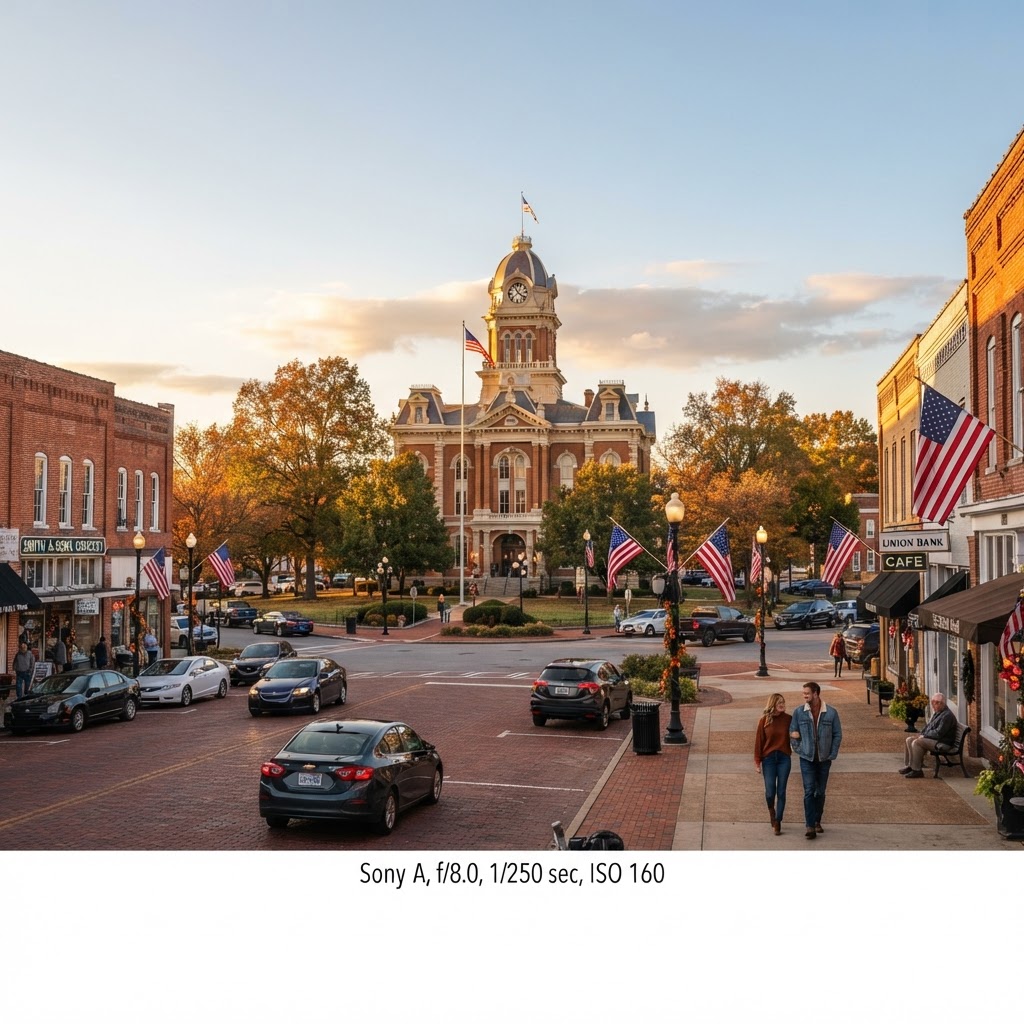
Sixty Miles From Nashville, Half the Price, and Nobody Seems to Mind: The Real Case for Living in Shelbyville, Tennessee
Read more
The Hay Run That Built Tennessee's Grandest Horse Show
Read more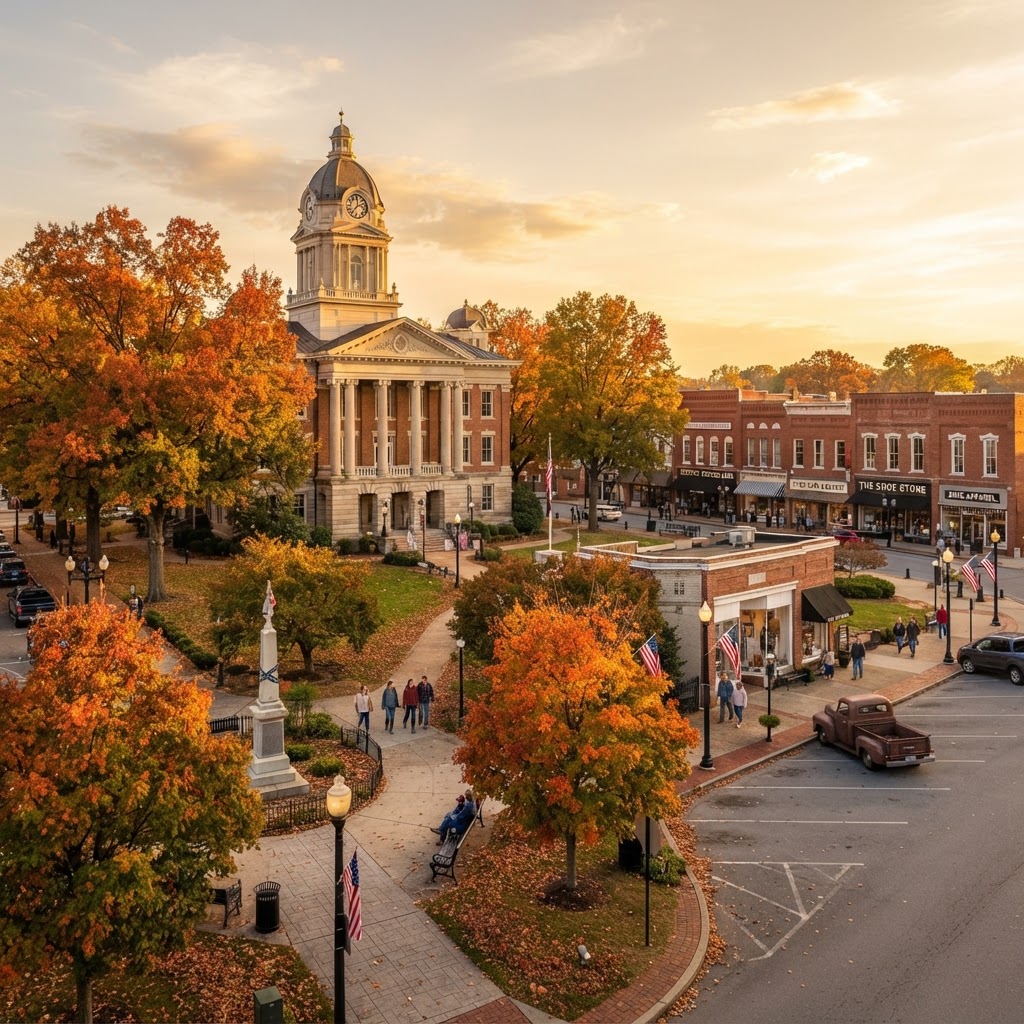
What $303,000 Buys You in Shelbyville, Tennessee: A Practical Guide to Middle Tennessee's Best-Kept Relocation Secret
Read moreFrequently Asked Questions
Is Shelbyville, Tennessee a good place to move to?
Shelbyville can be a strong fit for people who want a smaller community, practical access to healthcare and schools, outdoor recreation, local jobs, and a manageable connection to larger Middle Tennessee employment centers. Prospective residents should still compare commute times, neighborhoods, school options, and household costs for their own situation.
What healthcare is available in Shelbyville?
Vanderbilt Bedford Hospital is a 60-bed hospital serving the Shelbyville and Bedford County area. Vanderbilt also operates an integrated primary-care location in Shelbyville. Residents should contact providers directly to confirm current services, availability, and insurance participation.
What outdoor activities are near Shelbyville?
Shelbyville has city parks and recreation programs, including facilities at H. V. Griffin Park and the Shelbyville Recreation Center. Henry Horton State Park and the Duck River also provide nearby opportunities for hiking, picnicking, fishing, and enjoying Middle Tennessee's outdoors.
What are the schools like in Bedford County?
Bedford County Schools offers traditional academic programs as well as Career and Technical Education pathways in areas such as healthcare, technology, skilled trades, welding, and manufacturing. Families should visit schools and review current programs directly before making a decision.
How long should I spend exploring Shelbyville before moving?
If possible, visit during both a weekday and a weekend, drive your potential commute at the actual work and school hours, tour neighborhoods, contact healthcare providers, visit schools, and spend time downtown and in local parks. A few ordinary days can reveal more than a single sightseeing trip.