
Sixty miles south of Nashville, the two-lane narrows. The highway unspools past cedar fence lines and clipped pastures where Tennessee Walking Horses lift their hooves in that strange, gliding running walk you cannot unsee once you have watched it. Then the road bends, and there it is: a courthouse square laid out in 1810, ringed by brick storefronts, a coffee spot that opens at dawn, and people who actually make eye contact.
Shelbyville, Tennessee. Population 26,708 and climbing.
Between 2020 and 2025, this city grew by 11.1 percent, according to the Tennessee State Data Center. That trajectory places it among the fastest-growing municipalities in a state already absorbing half a million new residents in the last census cycle. The reasons compound like sediment in the Duck River: housing that does not require a Nashville salary, a commute that does not require a sedative, and a web of community infrastructure that feels designed by people who plan to stay.
What Your Money Buys
The median home value sits around $315,000. The median sale price, per Zillow's June 2026 data, comes in at $303,650. A three-bedroom on a half-acre costs what a parking spot runs in Brooklyn. The cost of living index is 84.4, a composite number statisticians love and normal people find meaningless, so here is the translation: groceries, utilities, healthcare, and transportation all run below the national average. Shelbyville is roughly 8 percent cheaper than the typical American city.
Renting? Median rent runs about $1,700 a month for a two-bedroom. Apartments near the square put you within walking distance of dinner at Legends Steakhouse and a morning coffee, no traffic you have to fight.
The median household income is $55,073, according to the U.S. Census Bureau. It stretches further here. There is no state income tax. Every dollar earned stays closer to your pocket than it would in almost any comparably sized city north of Knoxville.
The Job Market Is Not What You Expect
People picture Bedford County as agricultural, and it is. But the employment base runs wider than pastures. International Paper operates a facility here. So does Amcor, the global packaging manufacturer. Newell Brands, Tyson Foods, Jostens, and Marelli, the automotive supplier formerly known as Calsonic Kansei, all maintain operations in the county. Indeed lists over 700 manufacturing positions within commuting distance.
Then there is the horse economy. The Tennessee Walking Horse National Celebration pumps an estimated $38 million into the regional economy each August. Over 270,000 visitors descend on the grounds over two weeks. Hotels sell out thirteen months ahead. Restaurants double their staffing. For a town of 26,000, that is a staggering bloom, and it ripples through the calendar in breeding farms, training operations, farrier services, and veterinary practices that employ people year-round.
For commuters, the average drive to work is 27.2 minutes. Nashville sits about an hour south on Highway 231 and Interstate 24. Some residents split household employment between Shelbyville and the bigger cities, trading a longer commute for a mortgage that does not consume them.
Healthcare You Can Actually Get To
Vanderbilt Bedford Hospital sits on Highway 231 North, a 60-bed facility affiliated with Vanderbilt Health. That affiliation matters. Residents get specialist referrals, telemedicine links to Vanderbilt physicians in Nashville, and an emergency department backed by a system most small Tennessee towns cannot reach without a helicopter.
Twenty-five skilled nursing facilities operate in the area. Primary care practices dot the square. For routine needs, the drive is short. Complex cases route up the highway to Vanderbilt's main campus.
Schools Finding Their Footing
Bedford County Schools serve the area, and the picture is improving. Shelbyville Central High School earned an overall grade of B from the state, scoring 3.7 out of 5.0, placing it in the upper half of Tennessee high schools. Graduation rates have climbed steadily over the past decade.
The district includes Liberty School, Harris Middle School, Southside Elementary, and others. Recent investment in Career and Technical Education at the CTE Annex near Shelbyville Central has expanded pathways in welding, nursing, and industrial maintenance. These programs feed graduates directly into the manufacturing employers clustered across the county. A seventeen-year-old can finish high school certified to operate a CNC machine and walk into a job paying $17 an hour.
For families seeking private education, Webb School in Bell Buckle sits ten minutes down the road. It is a nationally recognized college-preparatory boarding school that has educated generations of Middle Tennessee families.
The Duck River Changes Everything
Here is where Shelbyville quietly outshines towns three times its size.
The Duck River winds 269 miles through Middle Tennessee. It is, by a clear margin, the most biologically diverse freshwater river in North America. The Nature Conservancy counts 151 fish species in its waters. That is more than every river in Europe combined. Over 60 species of freshwater mussels cling to its limestone bed. Twenty-two aquatic snail species, some found nowhere else on Earth.
What that means for a resident is practical. The river is a Class 1 recreational waterway: gentle enough for beginners. Around 150,000 anglers, kayakers, and canoeists use its access points each year. The smallmouth bass fishing is considered among the best in the Southeast. You can launch a canoe before the fog lifts, paddle past limestone bluffs, watch great blue herons stalk the shallows, and be back at your desk by noon.
Outfitters like Higher Pursuits rent boats along the Bedford County stretch. TWRA manages multiple public access points. The river is also Shelbyville's drinking water source, and the state created the Duck River Watershed Planning Partnership to manage future demand based on the river's biological limits rather than simply on who needs water. That sentinel approach is the civic foresight separating a town planning to be here in fifty years from one that got lucky once.
The Square, the Bar, and the Soul of the Place
The downtown square is the original 1810 design, the grid pattern that influenced county seat layouts across Tennessee, Kentucky, Georgia, Indiana, Illinois, Missouri, Texas, and Iowa. Shelbyville was the prototype. Walk it now after the recent revitalization: widened sidewalks, restored brick storefronts, equestrian boutiques rubbing shoulders with antique shops.
Pope's Cafe opens early. Order the sausage biscuit. It costs about four dollars, and it is the kind of sausage biscuit that would make a Nashville brunch chef reconsider his pricing. Cross the street for dinner at Legends Steakhouse, or take a pizza from Bocelli's. Glass Hollow Table and Tavern does farm-to-table with a menu that rotates with what the county's farmers are actually growing.
Then there is Humble Baron. It holds the Guinness World Record for the longest bar on the planet: 518 feet of continuous counter wrapping around a stage where live music plays on weekends. It sits on the grounds of Nearest Green Distillery, honoring Nearest Green, the first known African American master distiller in the United States. You can tour the distillery, taste five-year-aged Tennessee whiskey. It is the kind of attraction that belongs in a travel magazine, and it is on Highway 231 because the people who built it chose Shelbyville deliberately.
The Capri, an Art Deco movie theater from the 1940s, still sells tickets on weekend nights. The Fly Arts Center galleries rotate paintings, sculptures. These are working institutions, used weekly by people who live here, not revival projects propped up by grants.
The Events That Glue It Together
August belongs to the Celebration. Two weeks of horse shows, 270,000 visitors, and a downtown that hums in a register it cannot reach the other ten months of the year. The Shelbyville Jaycees organize a Christmas parade spanning more than fifty years. Spring and fall bring soccer tournaments to the new six-field complex, funded by a matching grant from the Tennessee Department of Environment and Conservation, a concrete investment in families putting down roots.
Ten minutes down the road, Bell Buckle throws the RC Cola-MoonPie Festival every June. Daffodil Day arrives in March. Wartrace, the cradle of the Walking Horse breed and home to 140 structures on the National Register of Historic Places, hosts a July Fourth celebration, Halloween in the Park, and MusicFest with food trucks and live bands. You do not need to leave Bedford County to fill a calendar.
What It Comes Down To
Shelbyville is not perfect. The median income trails the national figure. The school district is still building its reputation. The infrastructure will need to keep pace with growth that shows no sign of slowing.
But the trade-offs land in the right places. You can buy a house for $300,000. You can paddle a river that holds more fish species than any waterway on the continent. Your teenager can learn to weld and walk into a factory job the week after graduation. You can eat dinner at the longest bar in the world. You can walk downtown on a Saturday morning and people you have never met will look up from their coffee and nod.
That is not a sales pitch. That is a town doing what towns are supposed to do.
Community Discussion
Sign in to join the discussion.
Be the first to comment on this story.

David Stemper
Editor & Publisher, Shelbyville Connect
David Stemper is a photographer, writer, and Bedford County resident who covers local history, community events, and everyday life in Shelbyville, Tennessee. His work spans historical research, local business features, and community storytelling rooted in primary sources and firsthand knowledge of the area.
About Us →More Stories to Read
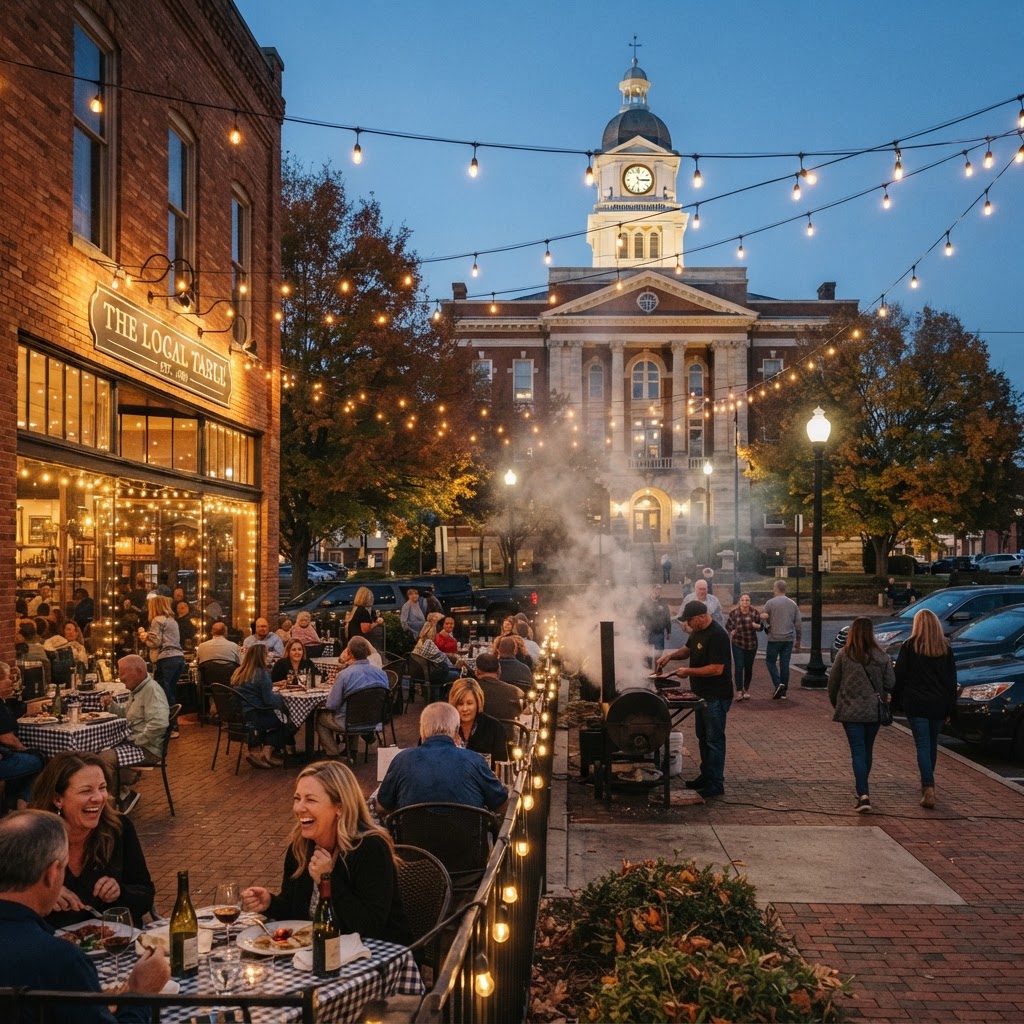
518 Feet of Bar and a Burger on the Square: Why Shelbyville's Food Scene Keeps People From Leaving
Read more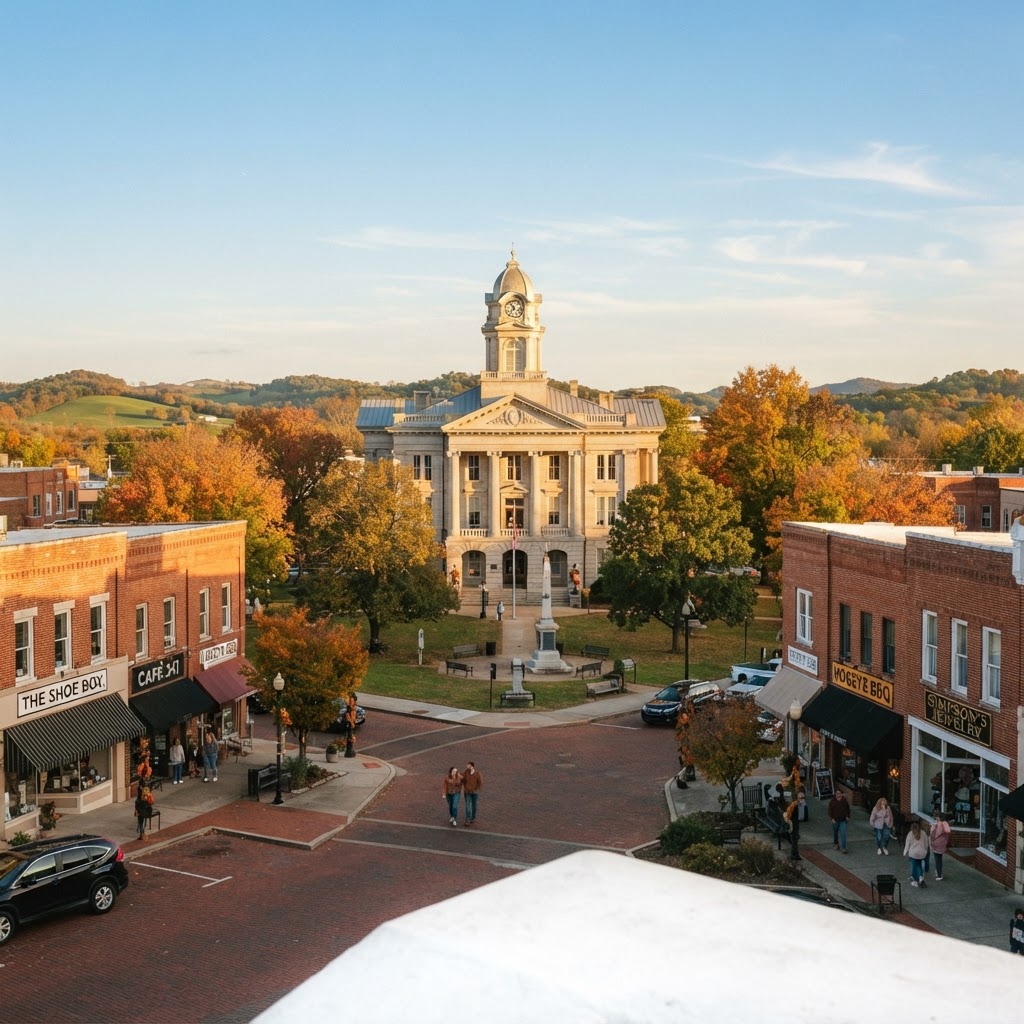
Sixty Miles and a Whole Life Cheaper: Why Shelbyville, Tennessee Is the Address People Stop Leaving
Read more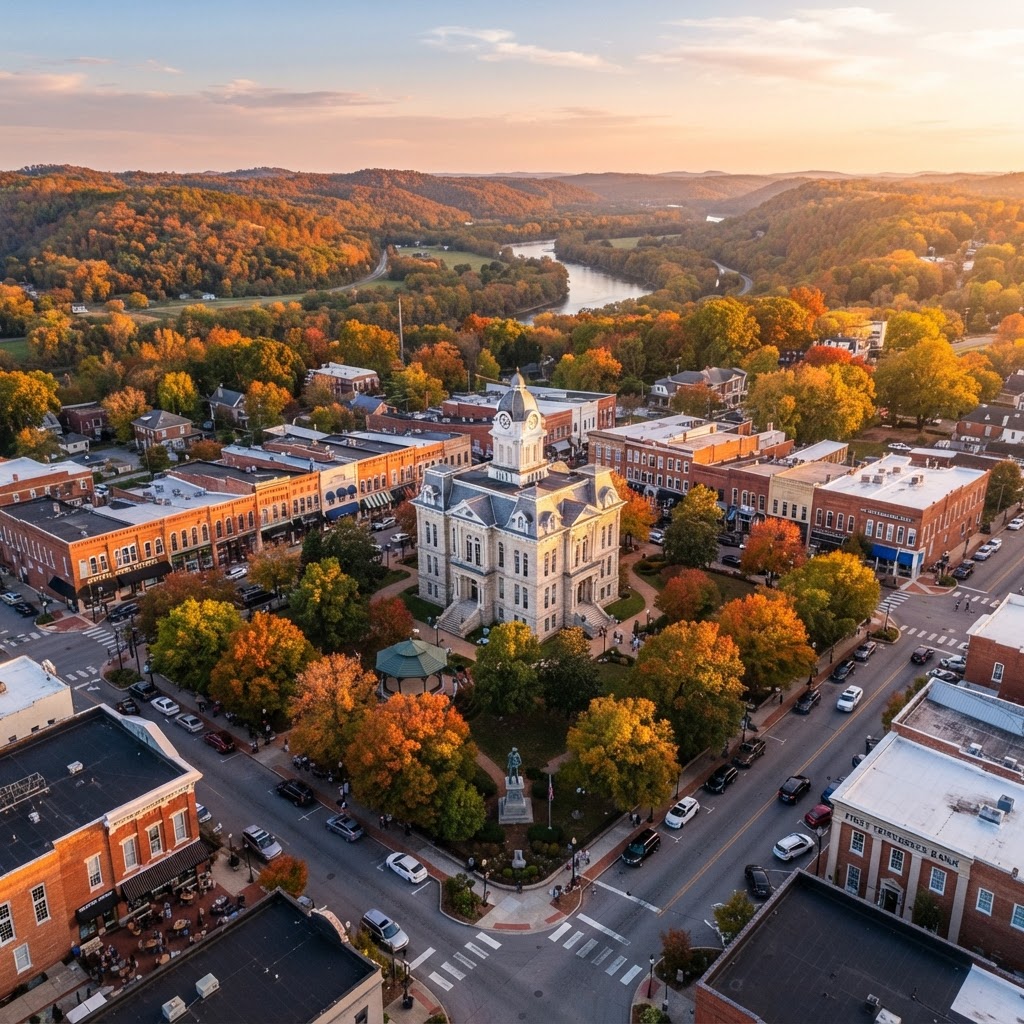
The House Costs $290,000. The River, the Horses, and the Quiet Cost Nothing: Why Shelbyville, Tennessee Keeps Growing
Read moreFrequently Asked Questions
What is the cost of living in Shelbyville, Tennessee?
Shelbyville's cost of living index is 84.4, roughly 8 percent below the national average. A median home value sits around $315,000, with median sale prices at $303,650. Median rent is about $1,700 per month for a two-bedroom. Tennessee has no state income tax, which further reduces the tax burden for residents.
How far is Shelbyville from Nashville?
Shelbyville is about 60 miles south of Nashville, roughly an hour's drive on Highway 231 and Interstate 24. Some residents commute to Nashville or Murfreesboro for work while enjoying Shelbyville's lower housing costs. The average commute time for Shelbyville residents is 27.2 minutes.
What is the Duck River known for?
The Duck River is the most biologically diverse freshwater river in North America, containing 151 fish species, over 60 species of freshwater mussels, and 22 aquatic snail species, some found nowhere else on Earth. It is a Class 1 recreational waterway popular for kayaking, canoeing, and smallmouth bass fishing, drawing around 150,000 visitors annually.
Is Shelbyville a good place to raise a family?
Shelbyville offers affordable housing, a Vanderbilt-affiliated hospital, improving public schools with expanding career and technical education programs, and proximity to the nationally recognized Webb School in Bell Buckle. The city also features parks, a recreation center, youth sports leagues, and community events like the Tennessee Walking Horse National Celebration.
What is Humble Baron in Shelbyville, TN?
Humble Baron holds the Guinness World Record for the longest bar in the world at 518 feet. It is located on the grounds of Nearest Green Distillery, which honors Nearest Green, the first known African American master distiller in the United States. The venue features cocktails, dinner, and live music on weekends.