
Priced Out of Nashville, Sold on the Duck River: Why Shelbyville, Tennessee Belongs on Your Shortlist
Nashville will eat your paycheck. I say that with affection, having watched friends pour half their income into apartments with a view of a parking deck, then sit in I-24 traffic dreaming about grass. If that sounds like your life, consider what fifty miles of highway buys you. Shelbyville, Tennessee sits roughly an hour southeast of Music City, close enough to keep the job, the concerts, and the airport, far enough that a three bedroom house stops being a rumor. People are catching on. The county keeps growing, the ring of commuting newcomers keeps widening, and the town has never been shy about what it offers. It is the Walking Horse Capital of the World, after all. Nobody prints that on a water tower without conviction.
The Math That Makes People Look Twice
Start with the raw numbers, because relocation usually begins as arithmetic before it becomes a feeling. The median sale price of a home in Shelbyville has hovered around $290,000, based on the couple hundred transactions tracked over the past six months. Nashville's average home value, meanwhile, sits north of $369,000, and that figure describes the whole metro, including neighborhoods you would not actually choose. Rent tells the same story in miniature. The median lease in Shelbyville runs about $1,499 a month. Not $1,499 for a closet with a murphy bed. A real dwelling, with a door that opens to sky.
Here is the part I find genuinely interesting. You are not trading money for nothing. In most cheap places the discount comes with a hidden invoice: two hours to a hospital, a dead main street, a school system held together with duct tape. Shelbyville's discount comes with a courthouse square that still functions as the center of civic life, a hospital affiliated with one of the best health systems in the Southeast, and a river biologists write papers about. The trade is real but narrow. You give up Ethiopian food and valet bike racks. You get a mortgage you can actually survive.
Now fold in the state. Tennessee collects no state income tax on wages, a sentence that sounds boring and changes everything, the way sentences about taxes usually do. Pair that with property tax bills that read like typos next to anything from the coasts, and the effective discount on living here stretches well past the sticker price of a house. People relocating from Illinois, California, or New Jersey do the arithmetic twice, certain the first pass missed something. It usually did not.
The housing stock runs the full spectrum, which surprises people expecting a monoculture of double wides. Historic Victorians with the telltale widow's walks sit a few blocks off the square, testaments to the town's nineteenth century confidence. Mid century ranches fill the established neighborhoods where sidewalks actually go somewhere. On the south side, new subdivisions are rising fast enough that Realtors mention build times before prices, and horse farms with acreage still ring the town, because Bedford County has resisted the urge to pave every pasture. Whatever you want, from a starter home under $200,000 to a small farm, the odds are decent the market is holding it right now.
A River That Reads Like a Biology Textbook
Speaking of the river. The Duck River slides past town with the unhurried confidence of a body of water that has nothing to prove, which is amusing, because it has more to prove than nearly any river on the continent. Researchers count 151 species of fish in its waters. Fifty-plus species of freshwater mussels. Those numbers place it among the most biologically diverse rivers in all of North America, a fact that sounds like chamber of commerce puffery until you stand knee deep in it at Fisherman's Park and watch the water shiver with life. Upstream, the Normandy Dam tailwater draws kayakers and anglers the way porch lights draw moths.
The parks system punches above its weight too. Eleven city parks. Twelve miles of trails and greenway. Cedars of Lebanon State Park sits barely half an hour north, full of glades and limestone and cedar forests that feel older than the state itself. On a Tuesday evening you can be on the water by six and home by dark. Try that in Brentwood without a helicopter.
Work: Poultry, Horses, and a Commute That Doesn't Hurt
Nobody moves to Shelbyville for a tech campus, and honesty matters here. The employment backbone is manufacturing and agriculture, led by the Tyson Foods poultry plant on the edge of town, which runs around the clock and pays roughly $40,000 to $65,000 for the roles it posts. Add the walking horse economy, which is richer than outsiders assume: breeding farms, training barns, farriers, vets, feed stores, haulers, and the quiet fortunes that ride through town every August. Then add the commuters. Bedford County has become a favored landing spot for people who work in Murfreesboro or Smyrna, twenty-five and forty minutes away respectively, and who decided that a bigger yard beat a shorter drive. The math tilts differently for everyone, but it tilts.
Doctors, Schools, and the Honest Parts
Healthcare keeps people in towns or quietly pushes them out of them, and this is where Shelbyville surprises. Vanderbilt Bedford Hospital stands on Highway 231 North, part of the Vanderbilt Health network, which means a town of about 24,000 has a direct tether to one of Tennessee's most respected medical institutions. Wound care, surgical services, emergency care, all fifteen minutes from the courthouse square. Many towns triple this size have less.
Schools deserve a straight answer. Shelbyville Central High School serves roughly 1,600 students, and the district posted real wins on the most recent state report card, with several Bedford County schools earning A and B marks for the 2024-25 year. The district's test scores are a mixed picture, the way most rural districts' scores are. Families who want alternatives live fifteen minutes from The Webb School in Bell Buckle, the oldest continuously operating boarding school in the South, or commute to Murfreesboro's options. My honest read: involved parents do well here, because class sizes and coach relationships still exist, and everybody at the grocery store knows your kid's name. That counts for something no rating captures.
Food deserves its own paragraph, because skeptics always ask about food. Shelbyville will not confuse you with Nashville, but the plate lunch joints around the square treat meat and three as a civic institution rather than a novelty, and sweet tea arrives without being requested. Fifteen minutes west, Bell Buckle counters with the Grindstone Cowboy, a converted bank building where the coffee is serious and the bathroom still has the vault door, because small towns understand that eccentricity beats gloss. Between the two you can eat like a local on twenty dollars and drive home before your cup of tea sweats.
August Belongs to the Horses
For eleven nights every late summer, this town of 24,000 becomes the center of an entire sport. The Tennessee Walking Horse National Celebration fills the Celebration Grounds and Cooper Steel Arena with tens of thousands of spectators, vendors, and horses that glide like they are rolling on ball bearings. The 88th edition wrapped in September 2026 with a historic fifth championship. If you live here, you do not buy tickets to that world. You are inside it, whether you care about horses or not, because the whole county's calendar bends around the event. June brings the RC-MoonPie Festival up the road in Bell Buckle, a celebration of snack cakes and small-town absurdity that captures Middle Tennessee better than any brochure photograph. The point is not that the events are lavish. The point is that they are yours, and they happen blocks from your porch.
Small-Town Charm Is Not the Selling Point. This Is.
Every town brochure promises charm. Shelbyville has it, the red brick square, the pencil heritage, the porch culture, but charm alone has never paid anyone's electric bill. What actually moves people to stay is cheaper stuff, invisible until you have lived without it. Your commute might be eight minutes, and the person behind the pharmacist counter remembers your name. You can hear high school football from your kitchen window on Friday nights in autumn, a low electric hum under the announcer's voice. New construction is rising on the south side of town, factories keep posting openings, and the county partnership markets growth without pretending the place is something it is not.
What would I tell a friend weighing the move on a legal pad? Keep the Nashville job if you love it. Draw the line at the mortgage. A $290,000 median price against a $369,000 metro average means, for most budgets, the difference between renting indefinitely and owning by forty. Drive down on a Saturday. Eat downtown. Put a hand in the Duck River and count what moves past your fingers. Then decide with more information than a listing site will ever give you, which is how all the best decisions get made.
Community Discussion
Sign in to join the discussion.
Be the first to comment on this story.

David Stemper
Editor & Publisher, Shelbyville Connect
David Stemper is a photographer, writer, and Bedford County resident who covers local history, community events, and everyday life in Shelbyville, Tennessee. His work spans historical research, local business features, and community storytelling rooted in primary sources and firsthand knowledge of the area.
About Us →More Stories to Read
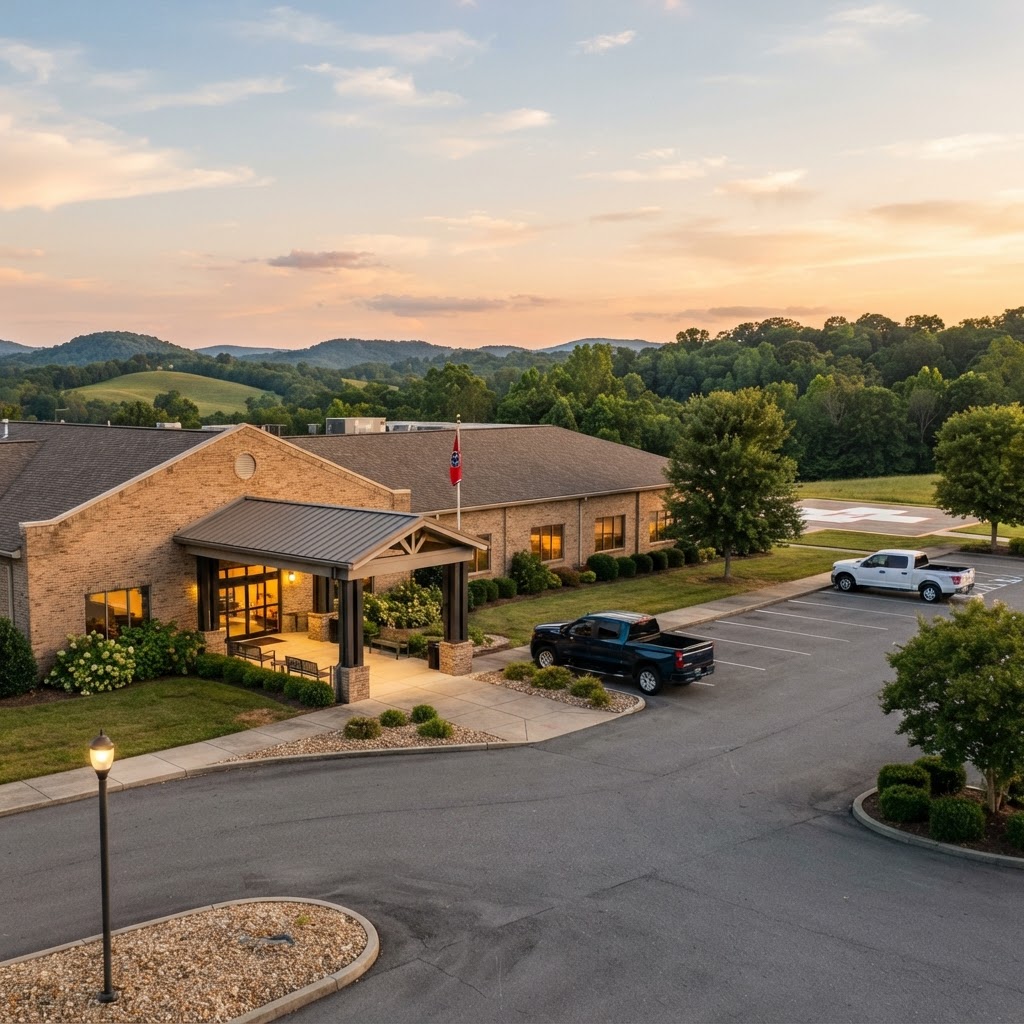
Sixty Beds, a Straight-A Report Card, and an Hour to a Level 1: Why Shelbyville Health Care Punches Above Its Weight
Read more
Eight Gigabits, Sixty Miles, and No State Income Tax: Why Remote Workers Keep Picking Shelbyville
Read more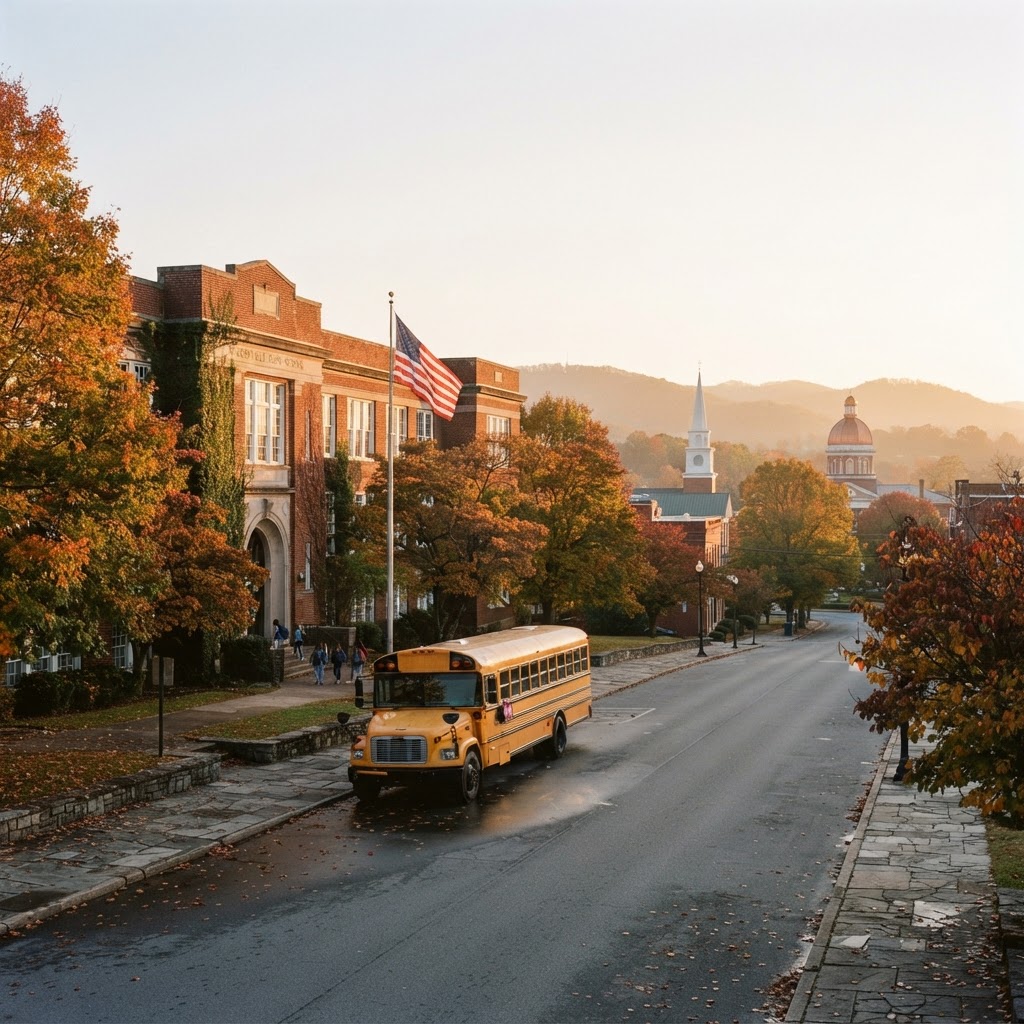
From Eagle Boulevard to Calsonic Way: Why Shelbyville Families Stop Leaving
Read moreFrequently Asked Questions
What is the median home price in Shelbyville, Tennessee?
The median sale price is roughly $290,000, based on recent tracked closings. The Nashville metro's average home value sits above $369,000, and Shelbyville's median rent runs about $1,499 a month.
How far is Shelbyville from Nashville?
About 50 miles southeast, roughly an hour's drive depending on traffic. Murfreesboro is around 25 minutes away and Smyrna about 40, which makes Bedford County a realistic home base for commuting.
What is the Duck River famous for?
It is one of the most biologically diverse rivers in North America, with 151 documented fish species and more than 50 species of freshwater mussels. Locals access it at Fisherman's Park in town and at the Normandy Dam tailwater upstream.
Is Shelbyville a good place to raise a family?
For many families, yes. Several Bedford County schools earned A or B marks on the 2024-25 state report card, Shelbyville Central High serves about 1,600 students, and the area includes The Webb School in nearby Bell Buckle. Test scores are a mixed picture, as in many rural districts, so involved parents tend to do best here.
What healthcare is available in Shelbyville?
Vanderbilt Bedford Hospital sits on Highway 231 North and is part of the Vanderbilt Health network, offering emergency care, surgical services, and specialty clinics about fifteen minutes from the town square.
What are the major employers in Shelbyville?
The Tyson Foods poultry plant anchors local manufacturing, with posted roles paying roughly $40,000 to $65,000. The walking horse economy supports breeding and training farms, veterinary and farrier services, and related businesses, and many residents commute to Murfreesboro or Smyrna.