
There is a particular Middle Tennessee conversation that happens after someone receives a property-tax bill, loses another home bid, or spends an hour crawling ten miles down a suburban highway. They say they want to move. They want a house with a porch, a little breathing room, a school their children can reach without crossing three counties, and a town where the cashier knows which coffee they buy. Then they open a real-estate app, look at prices around Nashville, and quietly close it again.
Shelbyville is what happens when that conversation continues. Fifty miles south of Nashville, Bedford County's seat is not a lifestyle brand pretending to be a town. It is a working community with a courthouse square, manufacturers, farms, churches, a hospital, the Duck River, and enough new growth to keep the place moving without sanding off every rough edge. For people trying to build a life instead of merely commute through one, that distinction matters.
The House Is Still the Starting Point
The strongest argument for Shelbyville is not romantic. It is arithmetic. A buyer can still find an ordinary family house here without treating the purchase like a high-stakes financial performance. Three bedrooms, a yard, a garage, and a reasonable drive to groceries are not fantasy specifications.
Prices have risen, of course. Shelbyville is not frozen in 1998, and anyone promising bargain-basement real estate is selling nostalgia. But the gap between Shelbyville and the Nashville area remains meaningful. A household priced out of Franklin, Brentwood, or much of Murfreesboro can look south and find a market where the mortgage conversation begins with possibility instead of apology.
That difference changes daily life. It can mean a home office instead of a corner of the bedroom, a workshop instead of a storage unit, or a backyard where children can leave bicycles overnight. The square footage is useful, but the psychological space is the real luxury.
Nashville Is Close, Not Constant
Shelbyville's distance from Nashville is one of its best features because it works in both directions. Nashville is close enough for a concert at the Ryman, a specialist appointment, a Titans game, an airport run, or a Saturday night when you need a restaurant with a reservation system. It is far enough away that Nashville's traffic does not dictate every trip to the pharmacy.
That is a practical advantage for hybrid workers and families with mixed routines. One person can commute north a few days a week while another works locally or remotely. You can use the metro's museums, hospitals, universities, and airport without paying metro prices for every square foot of your life.
The drive is not always charming. Anyone who has met Middle Tennessee traffic knows better than to call every commute scenic. But Shelbyville gives residents a choice, and choice is the thing expensive growth corridors remove first.
Work Here, Too
Shelbyville is not a bedroom community with the lights turned off at 5 p.m. Its economy has the sturdy, unglamorous backbone that makes a town resilient. Manufacturing, logistics, agriculture, healthcare, education, and retail all matter. Automotive and industrial employers provide jobs involving actual machinery, actual facilities, and often actual benefits. Transportation companies use the town's position along major routes. Schools, hospitals, contractors, farms, and small businesses fill in the rest.
The result is not a single booming industry that could leave everyone nervous after one corporate announcement. It is a spread of work. Skilled tradespeople can find a reason to stay. Someone with warehouse or fleet experience can build a career. Nurses, teachers, technicians, mechanics, salespeople, and entrepreneurs are not automatically pushed toward Nashville to make a living.
There is dignity in an economy that does not need to explain itself with a venture-capital pitch. Shelbyville makes things, moves things, grows things, repairs things, and takes care of people. Those jobs are not always glamorous, but they are useful, and usefulness has a long shelf life.
Healthcare Without Leaving the County for Every Problem
Small-town relocation advice often hides the healthcare question in a cheerful paragraph about easy access to amenities. Residents do not experience healthcare as an amenity. They experience it when a child spikes a fever, a parent needs imaging, or an ordinary problem becomes urgent on a Sunday.
Shelbyville has local hospital care, urgent-care options, primary-care providers, pharmacies, and the broader Vanderbilt network within reach. For highly specialized treatment, Nashville is close enough to be practical. That is a useful balance: local care for the routine and immediate, metropolitan medicine for the rare and complicated.
No honest article should pretend that every specialist appointment happens instantly or that a community hospital replaces a university medical center. It does not. The point is that residents are not starting from zero. The first layer of care exists here, and the next layer is a manageable drive away.
Schools With a Community Attached
Bedford County schools are not marketed as a perfect system, because no real school system is perfect. Families will compare test scores, programs, transportation, class sizes, and extracurriculars, and they should. What Shelbyville offers alongside those measurable questions is scale.
In a town this size, school events still overlap with the rest of community life. Friday night football is not just content for a scoreboard app. Band concerts, county fairs, agricultural programs, sports leagues, and graduation ceremonies are shared rituals. Teachers and administrators are more likely to encounter students outside school, at the grocery store or a local festival, which can be wonderfully human and occasionally awkward in the way small towns are famous for.
Families who want private or college-preparatory options can look toward nearby Bell Buckle and surrounding communities. Families who want public schools have a district large enough to offer variety but small enough to feel legible. You can learn how the system works without needing a flowchart.
The River Is Not Decorative
The Duck River gives Shelbyville something many fast-growing suburbs spend millions trying to manufacture: a genuine outdoor identity. It is a living river, not a retention pond behind a shopping center. People fish, paddle, float, photograph, and occasionally make the sensible decision to stay on shore when the water moves too quickly.
Outdoor life here does not require a membership, a reservation six months in advance, or a wardrobe sponsored by an equipment company. A short drive can lead to water, farmland, trails, horse country, and wide skies. Parks and recreation programs add the organized version, with sports, classes, and activities for children and adults.
The point is not that every resident becomes a kayaker. The point is that leisure does not have to be purchased as an experience. Sometimes it is a river after work, a ball field on a warm evening, or a county road where the sunset is doing more than the entertainment budget ever could.
Community Events That Have Not Been Algorithmically Optimized
Shelbyville's calendar has annual anchors, including the Tennessee Walking Horse National Celebration and the Bedford County Fair. But the charm is in the smaller events: local fundraisers, school programs, seasonal markets, church suppers, vendor days, and gatherings where somebody's aunt is selling something she made in her kitchen.
Bell Buckle is close enough to provide an easy change of scenery, with historic streets, antique shops, and festivals. Downtown Shelbyville remains useful rather than merely photogenic. You can run errands, meet someone for lunch, attend a civic meeting, and discover that the same two people are somehow present at all four.
This kind of community can feel nosy if you have only ever lived anonymously. It can also be the difference between having an address and having a place. Most people eventually decide which version they prefer.
Food, Errands, and the Ordinary Tuesday
Relocation articles often overdo hidden-gem language and under-explain where residents buy toothpaste. Shelbyville has the everyday infrastructure a town of its size needs: grocery stores, local restaurants, fast food, coffee, hardware, auto services, medical offices, and businesses that keep a household running.
You will not have Nashville's restaurant density. That is not a failure; it is the trade. Dinner options are fewer, but the drive is shorter, parking is less theatrical, and a local restaurant can become part of your personal geography instead of a destination requiring strategic planning.
The best small-town meal is often less about culinary spectacle than repetition. The server recognizes you. The owner asks about your family. You order the thing you always order, then surprise yourself by trying the pie. That is not a Michelin category, but it is a pretty good Tuesday.
Small-Town Charm, Minus the Fantasy
Shelbyville is not perfect. Growth brings pressure on roads, housing, schools, and services. Some storefronts need investment. Some residents want change faster, while others want the town left exactly as it was when they were children. A small town contains disagreements; it does not dissolve them.
What Shelbyville does offer is a manageable scale and a visible sense of place. The courthouse square still organizes the town. Historic buildings still provide physical memory. New residents can participate without waiting for an invitation from a committee of people who met in 1974, although meeting that committee may eventually become part of the process.
If you want anonymity, unlimited nightlife, and a new luxury apartment amenity every quarter, choose Nashville. If you want a place where a house can still be part of the plan, where work and recreation are both within reach, and where community is something you can actually enter, Shelbyville deserves a serious look.
The town is not selling an escape from reality. It is offering a more workable version of it. In 2026, that may be the most persuasive pitch of all.
Community Discussion
Sign in to join the discussion.
Be the first to comment on this story.

David Stemper
Editor & Publisher, Shelbyville Connect
David Stemper is a photographer, writer, and Bedford County resident who covers local history, community events, and everyday life in Shelbyville, Tennessee. His work spans historical research, local business features, and community storytelling rooted in primary sources and firsthand knowledge of the area.
About Us →More Stories to Read
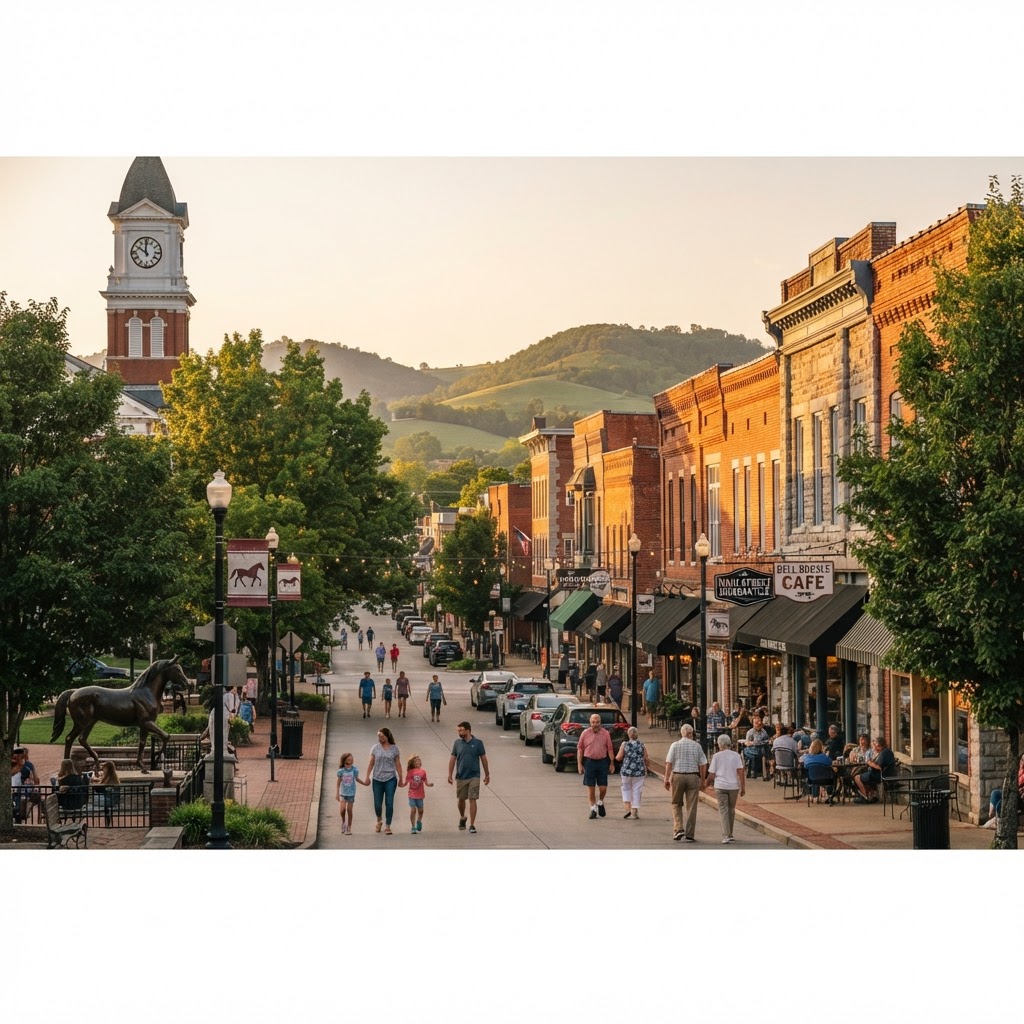
Why Shelbyville Still Makes Sense: A Practical Life Between Nashville and the Rest of Tennessee
Read more
Why Shelbyville Works for Real Life: The Middle Tennessee Move With Room to Grow
Read more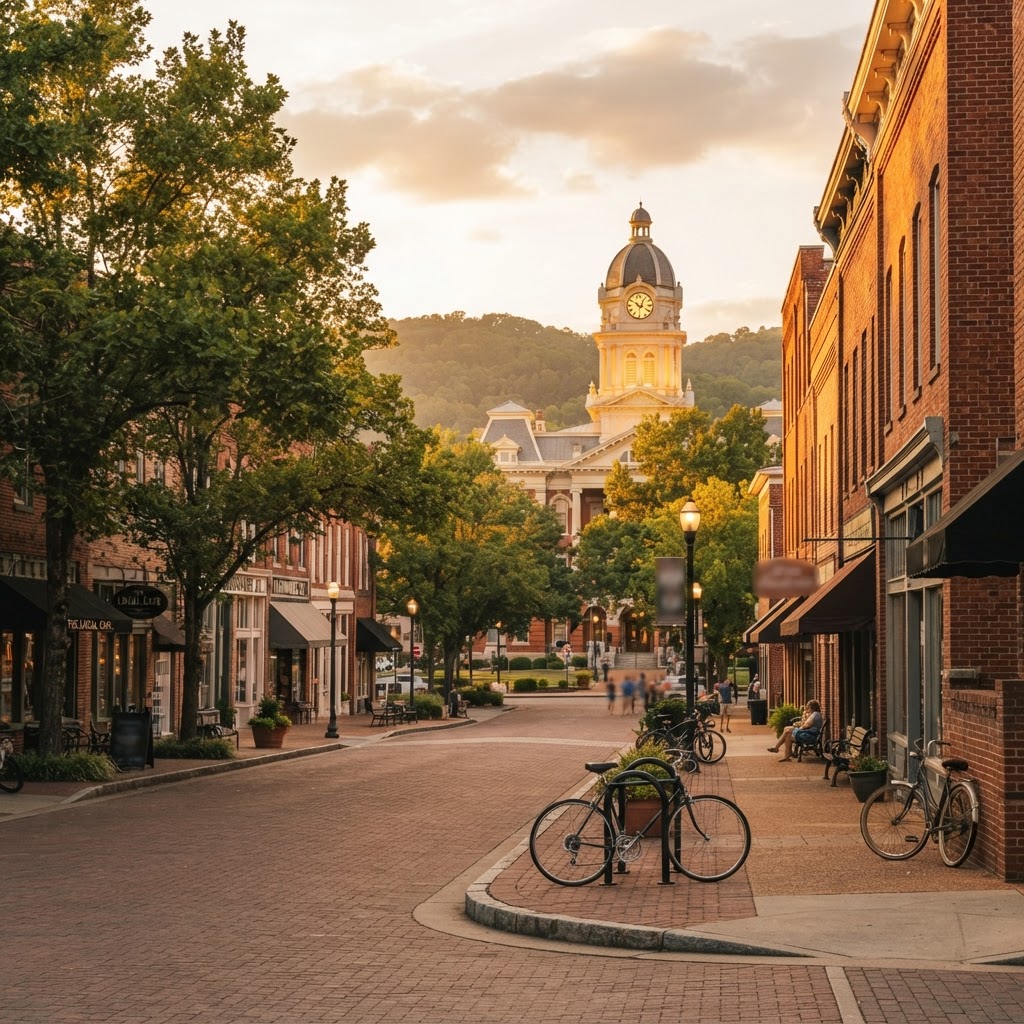
The Shelbyville Calculation: A Middle Tennessee Life With More Room, More Neighbors, and Fewer Apologies
Read moreFrequently Asked Questions
Is Shelbyville a good place to live?
Shelbyville can be a strong fit for people who want more attainable housing, local employment, outdoor recreation, and a genuine small-town community while remaining within practical reach of Nashville.
How far is Shelbyville from Nashville?
Shelbyville is roughly 50 miles south of Nashville, making downtown Nashville and BNA accessible for occasional work, healthcare, entertainment, and travel.
What kind of jobs are available in Shelbyville?
The local economy includes manufacturing, automotive suppliers, logistics, healthcare, education, agriculture, retail, construction, and small businesses.
What outdoor activities are near Shelbyville?
Residents can enjoy the Duck River, paddling, fishing, parks, sports programs, horse country, nearby Bell Buckle, and the surrounding rural landscape.