
The Industrial County Nobody Remembers
Bedford County's dominant public identity is agricultural and equestrian , the Walking Horse capital, the pencil city, the tobacco and corn county that fed Middle Tennessee for two centuries. This identity is real and earned. But it is not complete.
Shelbyville had iron. It had foundry operations. It had the kind of industrial base that supported the agricultural economy by producing the castings, implements, and machinery that made large-scale farming possible before the age of factory-produced farm equipment. The industrial history of Bedford County is a shadow history , real, documented, and almost completely absent from the story the city tells about itself.
Why Foundries Mattered on the 19th-Century Frontier
Iron foundries were essential infrastructure for any American community of the 19th century. Every plow, every cultivator, every mill wheel, every stove, every piece of machinery with metal parts depended on a local foundry's ability to cast and fit iron components. Before the national railroad network made factory-produced goods economically competitive with locally produced ones, the town with a foundry had a significant economic advantage over the town without one.
Shelbyville's foundry operations served Bedford County's farming community and the broader agricultural economy of the region. The county's position as the most populous in Tennessee in 1830 , with 30,244 residents farming a landscape that demanded constant maintenance of equipment and infrastructure , created substantial demand for the castings and iron work that a local foundry could provide.
The specific history of Shelbyville's foundry operations , the names of the operators, the decades of their activity, the products they made and the customers they served , is preserved in fragments in the Bedford County Historical Society's collections, in the archives of the Tennessee State Library, and in the newspaper records of the 19th-century Shelbyville press. It is history that has not been comprehensively assembled or publicly told, which makes it simultaneously more interesting to the researcher and less accessible to the general visitor.
Iron and the Walking Horse
The connection between Shelbyville's industrial history and its equestrian identity is more direct than it might appear. The Tennessee Walking Horse industry was, in its origins, a working-horse culture , horses bred and trained for the practical work of plantation agriculture, for riding the long distances that a 19th-century farmer or lawyer or country doctor covered in a day's work. That working culture required horseshoes, farrier tools, bridle hardware, stirrups, and the full range of iron and steel implements that supported equestrian life.
The foundry that served Shelbyville's agricultural community served its horse community simultaneously. The iron economy and the horse economy were not separate , they were facets of the same agricultural and commercial world that made Bedford County prosperous in the antebellum period.
What the Industrial Heritage Includes
Beyond the foundry, Bedford County's industrial heritage includes the stone quarrying operations that used the county's limestone bedrock as a commercial resource, the milling operations along the Duck River and its tributaries that processed grain and timber, and the craft industries , tanneries, cooperages, blacksmith shops , that supported a self-sufficient agricultural economy before the railroad and the factory changed the economics of local production.
The Musgrave Pencil Company, established in Shelbyville in 1916 and expanded to its current operations by 1923, represents the most durable thread of this industrial heritage , a manufacturing operation that has persisted through more than a century of economic change and still produces pencils in Bedford County when most of America's pencil manufacturing has moved offshore. It connects the city's industrial present to the broader tradition of Bedford County manufacturing that predates it.
Finding the Industrial History
The Bedford County History Museum at the Fly Arts Center is the primary public resource for exploring Shelbyville's industrial heritage. The museum's collections include materials on the foundry era, the milling operations, and the manufacturing history that the county's agricultural identity tends to overshadow. The Tennessee State Library and Archives in Nashville holds documentary materials , deeds, tax records, newspaper accounts , that document the industrial operations of 19th-century Shelbyville in greater detail than local sources alone can provide.
For visitors curious about the industrial layer beneath Shelbyville's more familiar historical narratives, the courthouse square's built environment offers physical evidence. The commercial buildings that surrounded the square in the 19th century were supplied by the foundry, served by the mills, and connected to the industrial network that made a county-seat city function. The brick and limestone in those buildings came from somewhere , quarried, cut, and placed by hands that the official history has not always named. Finding those hands, and the operations they supported, is one of the more rewarding projects available to anyone who wants to understand Shelbyville in full.
Community Discussion
Sign in to join the discussion.
Be the first to comment on this story.

David Stemper
Editor & Publisher, Shelbyville Connect
David Stemper is a photographer, writer, and Bedford County resident who covers local history, community events, and everyday life in Shelbyville, Tennessee. His work spans historical research, local business features, and community storytelling rooted in primary sources and firsthand knowledge of the area.
About Us →More Stories to Read

The Day 10,000 Cavalry Charged Through Shelbyville: A Town Called Little Boston and the Battle Nobody Remembers
Read more
151 Fish, 84 Acres, and Zero Admission: The Outdoor Life That Comes Free With a Shelbyville Address
Read more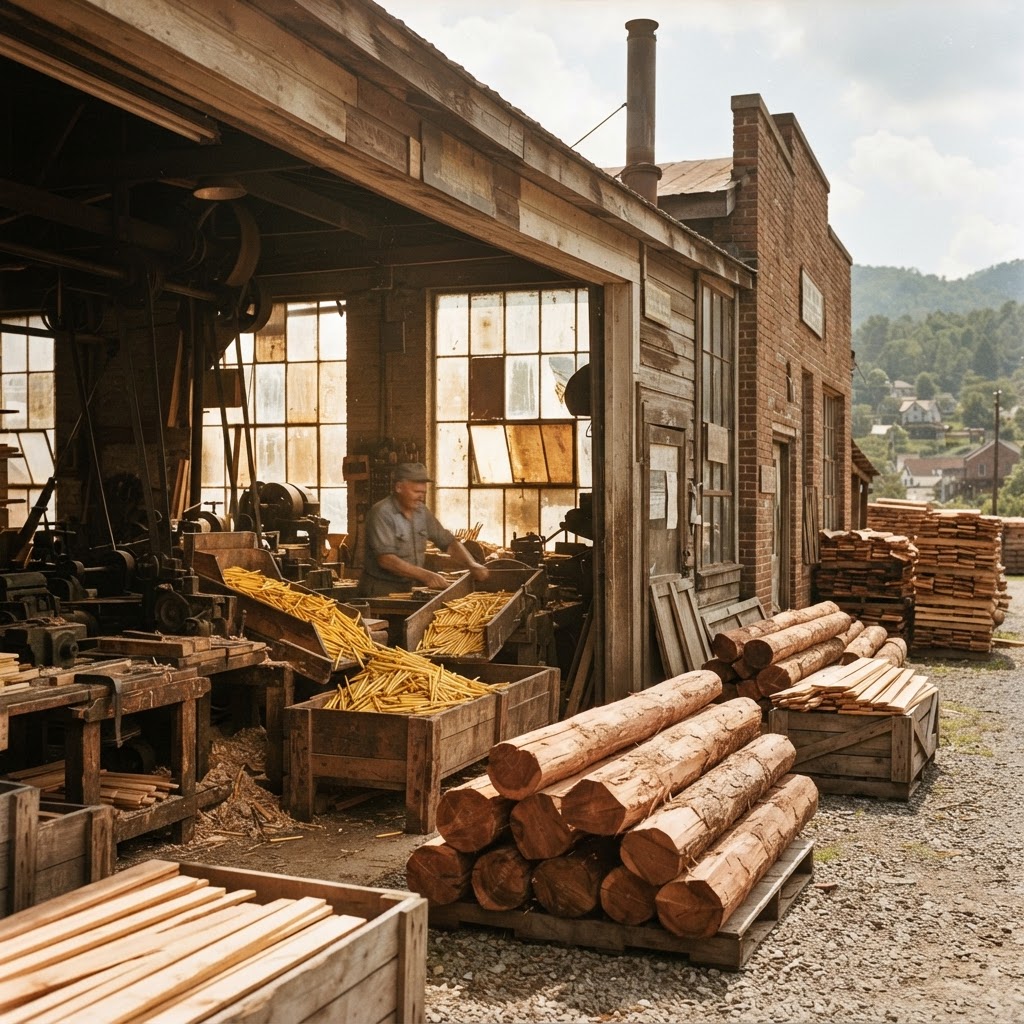
30 Billion Pencils and One Remaining Factory: How Shelbyville Became Pencil City, U.S.A.
Read more