
A Revival Worth Paying Attention To
Downtown revivals are common enough in American cities that the term has become a cliché. Every mayor announces one. Most produce a few new restaurants, some repainted facades, and a mural or two before the energy dissipates. What's happening in Shelbyville is different , measurable, sustained, and rooted in genuine private investment rather than municipal cheerleading.
The City of Shelbyville was recognized by the Tennessee Municipal League with an award for Excellence in Downtown Revitalization , a recognition that requires documented evidence of real improvement, not just a plan or a press release. The award reflects what's visible on the ground: a historic commercial district that was in decline a decade ago and is now attracting investment, generating new businesses, and drawing visitors from Nashville and beyond who wouldn't have had a reason to come before.
The forces driving the revival are multiple and interconnected. The Nearest Green Distillery's success put Shelbyville on the map for Nashville-area visitors who were previously unaware it existed. The population growth that has added more than 16 percent to Shelbyville's resident base since 2010 has created demand for commercial services and dining options beyond what the city's traditional retail district provided. And a group of entrepreneurs , Jeb House at Glass Hollow, the team at Urban Plantation, newer entrants like The Holy Crab Shack , have made the bet that Shelbyville's downtown is worth investing in. So far, those bets are paying off.
The Nearest Green Effect
The Nearest Green Distillery, which opened at 500 Gordon Lane in Shelbyville, has been the single most transformative business development in Bedford County in a generation. The distillery honors Nathan "Nearest" Green , the formerly enslaved man who taught Jack Daniel the art of whiskey making and who is now recognized as the first known African American master distiller on record in the United States. Uncle Nearest 1856 Premium Whiskey, produced at the distillery, has won significant industry awards and built a following that extends well beyond Tennessee.
The distillery's impact on Shelbyville's downtown revival operates through the visitor traffic it generates. Nashville whiskey tourists who come to Nearest Green need somewhere to eat dinner. They need somewhere to stay. They want something to do before and after the tour. That demand didn't disappear when the distillery visit ended , it created an economic case for new hospitality businesses in Shelbyville that didn't exist when the distillery was a concept on paper.
The spillover effect has been real. Glass Hollow Table and Tavern explicitly positions itself as the dining destination for visitors coming through Shelbyville , the place you eat after you've had your whiskey tasting, the experience that completes the day. The connection between the two businesses isn't formal, but it's functionally important: each makes the other more valuable as a visitor destination.
Glass Hollow: The Architectural Revival Story
Glass Hollow Table and Tavern at 123 S Side Square is more than a restaurant , it's the most visible example of what downtown revival looks like when it's done right. Owner Jeb House and co-owner Chavigny Beasley have undertaken the renovation of a 42,000-square-foot historic complex on the Courthouse Square, a project that has been as much about architectural preservation as business development.
The building's history is embedded in its fabric , brick cornices and window arches from the 19th century, floorboards that have absorbed more than a century of foot traffic, structural elements that required careful assessment before renovation could begin. House has been explicit about his approach: preserve and revive the historical aspects first, build the business on top of that preserved foundation. The result is a space that feels genuinely historic rather than merely themed.
The broader Glass Hollow complex will extend beyond the restaurant. Short-term rental units above the commercial space , marketed as the Duck at Glass Hollow, an upscale studio in what was originally a historic hardware store , have been noted by visitors for their walkability to the courthouse square and their authentic historic character. The conversion of upper-floor commercial space to residential use is itself a downtown revival strategy endorsed by urban planners: mixed-use buildings that bring residents into the commercial core create the foot traffic that sustains street-level businesses.
House's family connection to Shelbyville entrepreneurship runs deep , his great-grandfather started Sweet Sue, a canned goods company that became famous enough to be acquired by Sara Lee. That multi-generational entrepreneurial lineage informs his approach: building something meant to last, rooted in the community it serves, operating on the assumption that a good business in a good place will endure.
The Capri Theatre: 70 Years of Marquee Persistence
The Capri Theatre on the courthouse square is one of the most intact mid-20th-century movie theaters in Tennessee, and its continued operation is one of the more quietly remarkable facts about Shelbyville's commercial district. The theater, with its preserved 1950s-era marquee, operates as a functioning cinema showing first-run films on two screens , one in the balcony with stadium seating, one equipped with rocking chairs that provide a distinctly Shelbyville moviegoing experience.
The Capri has been described as the longest-running business in Shelbyville , a distinction that, if accurate, reflects an extraordinary run of commercial persistence. The theater's continued operation in an era when independent cinemas across America have been shuttered by streaming competition, COVID disruptions, and the economic pressure of competing with multiplex chains represents a genuine community achievement. That it operates in a building with its original architectural character intact makes it a downtown asset that can't be replicated.
The Fly Arts Center: Cultural Infrastructure
The Fly Arts Center, adjacent to the courthouse square, provides the cultural programming component of Shelbyville's downtown revival. Operated by the Bedford Arts Council, the center hosts creative classes, workshops, gallery exhibitions, and performances that give the downtown an arts identity alongside its commercial and civic functions.
In the literature of downtown revival, arts and cultural institutions serve a specific function: they attract the demographic of residents and visitors who generate the most economic activity per capita in commercial districts. Young professionals, creative workers, and the educated newcomers who are choosing smaller cities for their quality of life are disproportionately drawn to communities with active arts programming. The Fly Arts Center's presence in Shelbyville's downtown makes the district more attractive to exactly the population that downtown businesses need to thrive.
The Bedford County History Museum, connected to the Bedford Arts Council, provides historical context that complements the commercial district's physical heritage. A visitor who walks the courthouse square, eats at Pope's Cafe or Glass Hollow, and stops at the History Museum leaves Shelbyville with a genuine understanding of the place , a more complete experience than the typical small-city tourist visit produces.
What Makes This Revival Different
Shelbyville's downtown revival is sustainable in a way that many comparable efforts are not because it is rooted in private investment rather than public subsidy. The Nearest Green Distillery was built by entrepreneurs who believed in the market. Glass Hollow is being built by an entrepreneur who believes in the space. Urban Plantation, Pope's Cafe, and the other businesses that anchor the square are there because the math works, not because a grant covered the risk.
Public investment has played a role , the historic district designation, the downtown revitalization programs that support facade improvements, the municipal policies that have made the square a viable business location. But the essential engine of Shelbyville's revival is private money chasing real economic opportunity, which is the only kind of downtown revival that outlasts the initial enthusiasm.
The challenge ahead is maintaining the authenticity that makes Shelbyville's square worth reviving. The risk in any successful downtown revival is that success attracts the chain businesses and generic concepts that gradually dilute what made the district distinctive. Shelbyville's square has survived 200 years by being irreplaceably itself , the courthouse center of a specific Tennessee county, surrounded by businesses and institutions that reflect that specific community. Keeping that character intact through the coming years of growth will require the same intentionality that the revival itself has demanded.
Community Discussion
Sign in to join the discussion.
Be the first to comment on this story.

David Stemper
Editor & Publisher, Shelbyville Connect
David Stemper is a photographer, writer, and Bedford County resident who covers local history, community events, and everyday life in Shelbyville, Tennessee. His work spans historical research, local business features, and community storytelling rooted in primary sources and firsthand knowledge of the area.
About Us →More Stories to Read
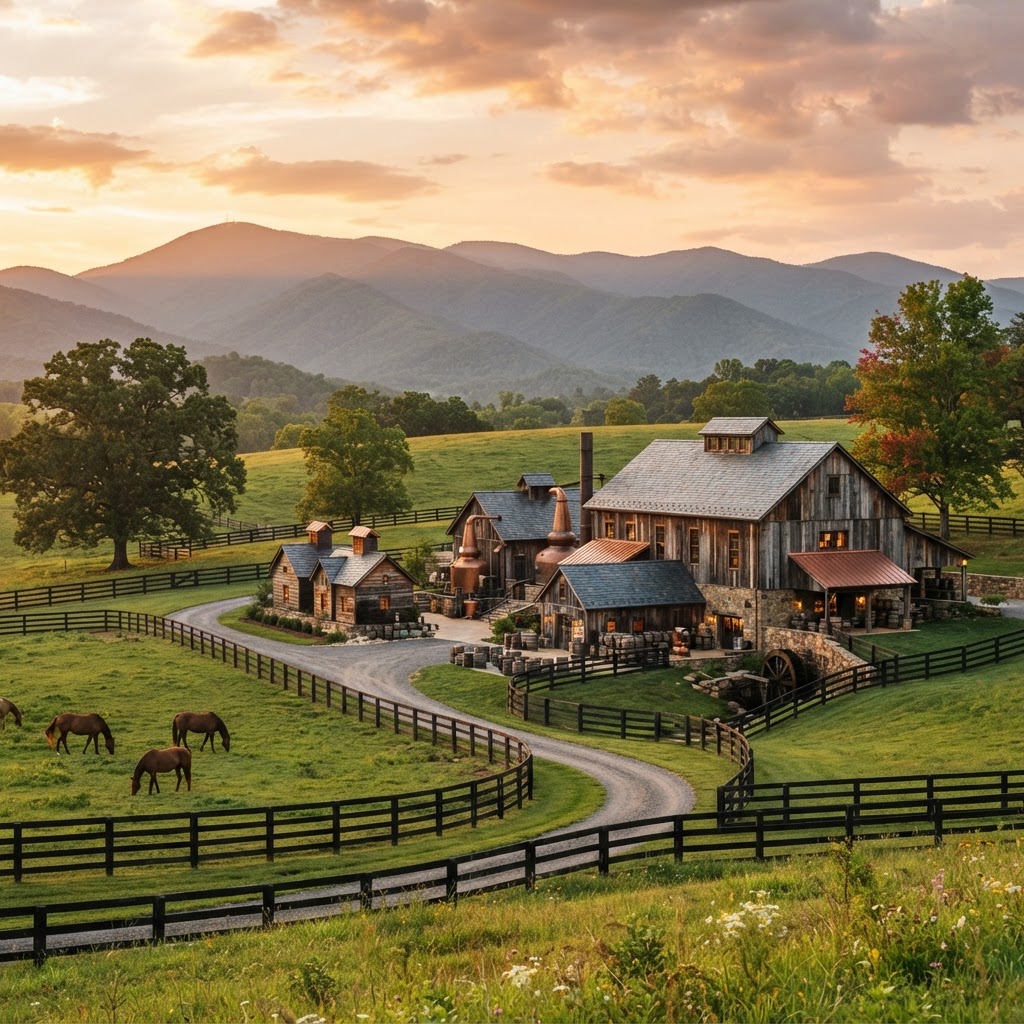
Jack Daniel Called Him the Best. Shelbyville Put His Name on the Building.
Read more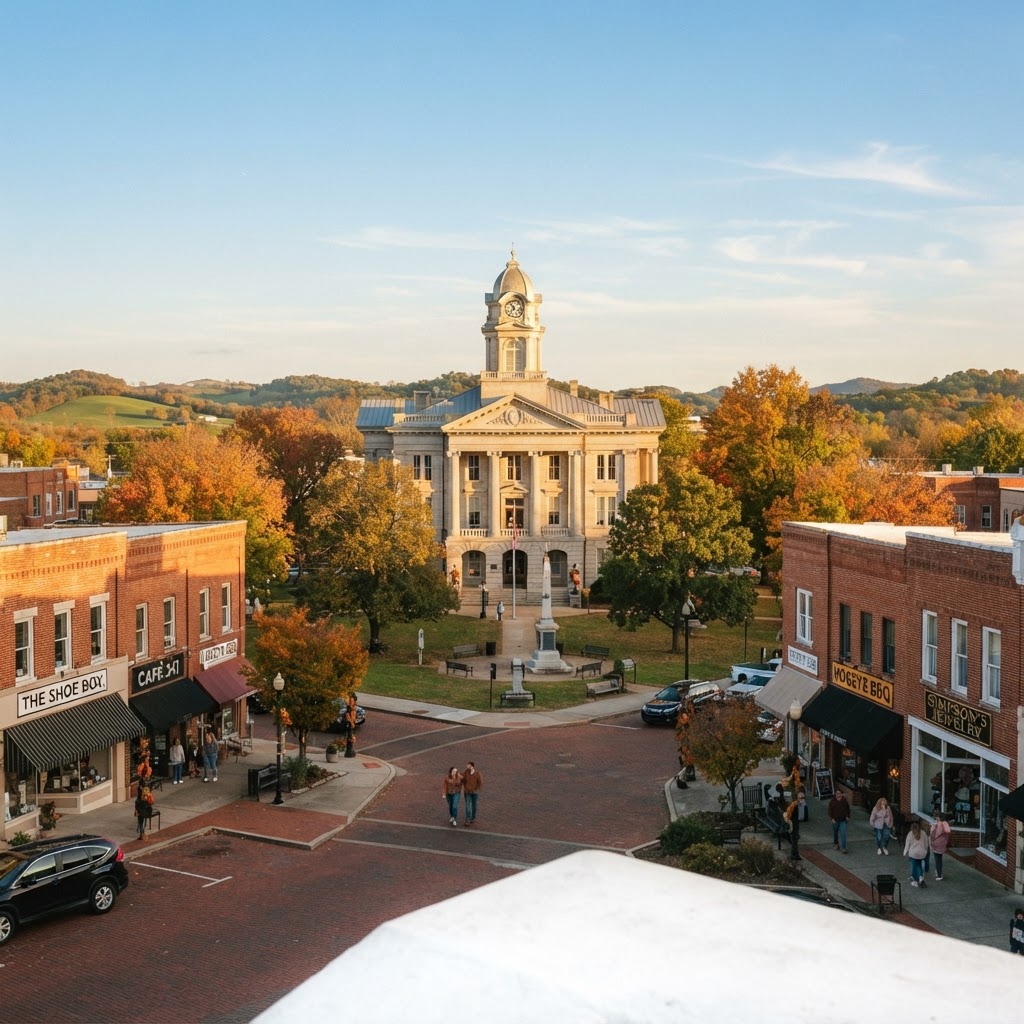
Sixty Miles and a Whole Life Cheaper: Why Shelbyville, Tennessee Is the Address People Stop Leaving
Read more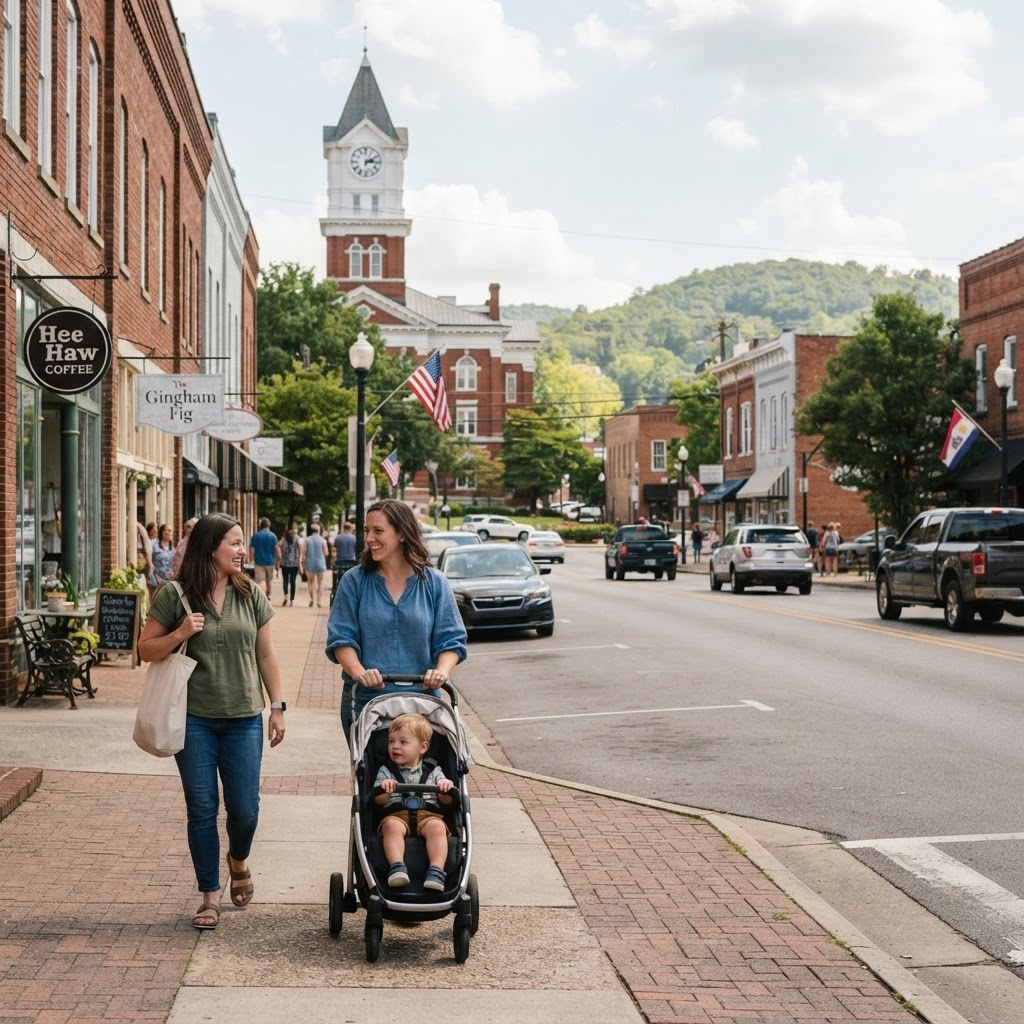
Sixty Miles From Nashville, Half the Price, and Nobody Seems to Mind: The Real Case for Living in Shelbyville, Tennessee
Read moreFrequently Asked Questions
When is the best time to visit Shelbyville's downtown?
Weekends, especially Saturday afternoons, when the Square is most active. Spring and fall offer pleasant weather for walking and browsing.
Is parking easy on the Square?
Yes, there's free parking available on the Square and in nearby lots. The downtown is designed for pedestrian walking.
Are there places to eat downtown?
Yes, an increasing number of restaurants and cafes are opening in renovated historic spaces. Options range from casual coffee shops to sit-down restaurants.